The Best Currant Companion Plants For A Healthy Productive Garden
Currants are a delicious and versatile fruit that can be enjoyed fresh, cooked, or dried. They are also a good source of vitamins C and K. If you are growing currants in your garden, there are a few companion plants that can help to improve their health and productivity.
Benefits of companion planting
Companion planting is an organic gardening technique that involves planting different types of plants together to benefit each other. There are many different benefits to companion planting, including:
- Increased pollination: Some plants attract beneficial insects, such as bees and butterflies, which help to pollinate currant flowers. This can lead to a larger harvest of fruit.
- Reduced pest pressure: Some plants release chemicals that repel pests, such as aphids and spider mites. This can help to keep your currant bushes healthy and free of pests.
- Improved soil health: Some plants help to improve the soil by adding nutrients or breaking down organic matter. This can benefit the growth of currant bushes and other plants in your garden.
Best companion plants for currants
There are a number of different plants that can be good companion plants for currants. Some of the best include:
- Chamomile: Chamomile is a flowering herb that has a strong scent that deters pests. It also helps to improve the soil by adding nutrients.
- Chives: Chives are another flowering herb that deters pests. They also help to improve the soil by adding nitrogen.
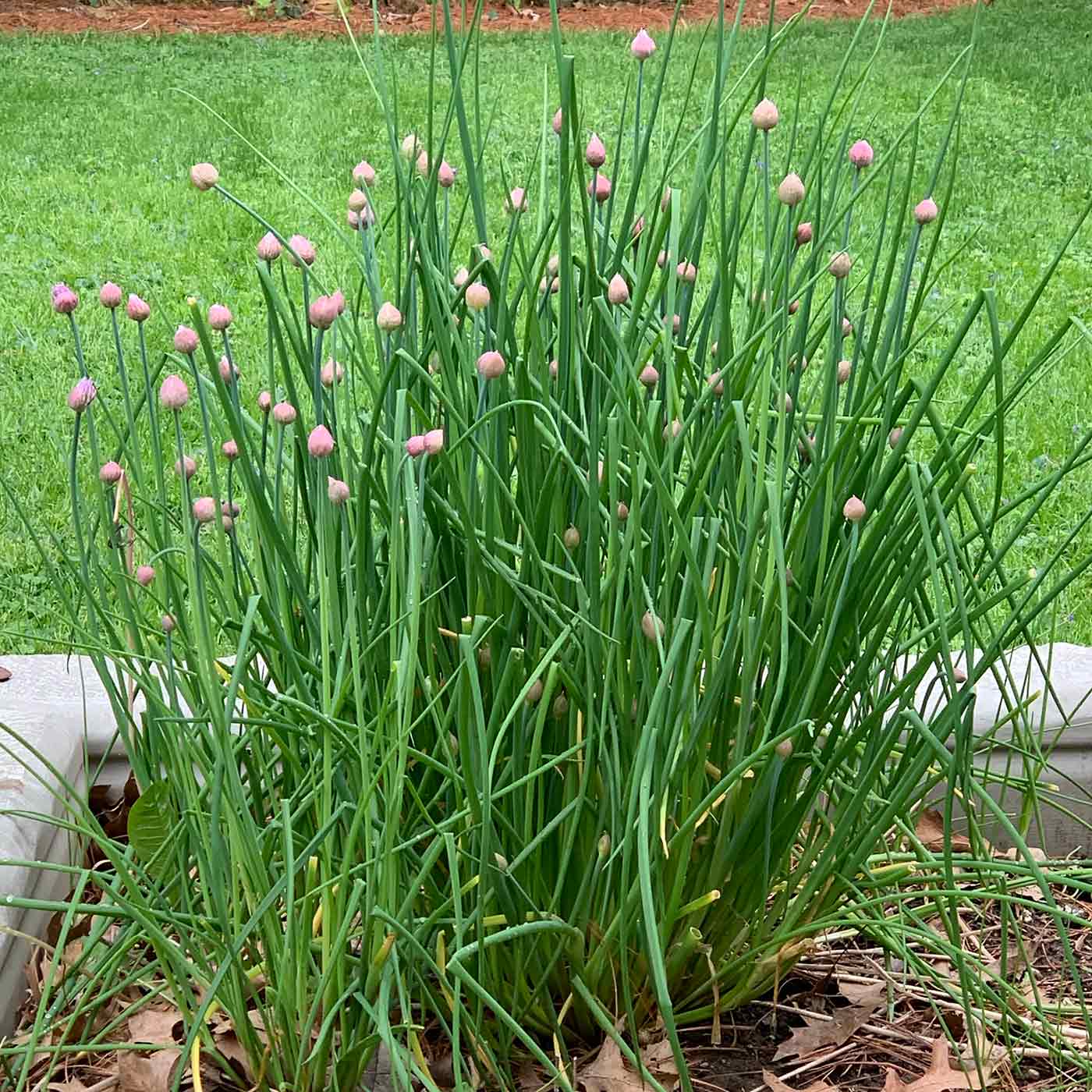
- Nasturtiums: Nasturtiums are a type of flowering plant that attracts beneficial insects, such as ladybugs and lacewings. These insects help to control pests that can damage currant bushes.

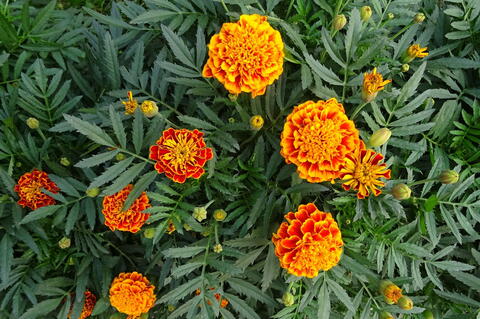
- Marigolds: Marigolds are another type of flowering plant that attracts beneficial insects. They also help to improve the soil by adding nutrients.
- Oregano: Oregano is a culinary herb that has a strong scent that deters pests. It also helps to improve the soil by adding nitrogen.
- Tarragon: Tarragon is a culinary herb that helps to improve the flavor of currants. It also helps to improve the soil by adding nutrients.
Other companion plants
In addition to the plants listed above, there are a number of other plants that can be good companion plants for currants. These include:
- Beans: Beans fix nitrogen in the soil, which can benefit the growth of currant bushes.
- Carrots: Carrots help to repel carrot root fly, a pest that can damage currant bushes.
- Garlic: Garlic has a strong scent that deters pests. It also helps to improve the soil by adding sulfur.
- Kale: Kale helps to attract beneficial insects and improve the soil.
- Lettuce: Lettuce helps to attract beneficial insects and improve the soil.
Pests to avoid
There are a few pests that you should avoid planting near currant bushes. These include:
- Potatoes: Potatoes can attract the Colorado potato beetle, which can damage currant bushes.
- Spinach: Spinach can attract aphids, which can damage currant bushes.
- Tomatoes: Tomatoes can attract the tomato hornworm, which can damage currant bushes.
Conclusion
By planting the right companion plants near your currant bushes, you can help to improve their health and productivity. This will result in a larger harvest of delicious and healthy fruit.
There are many different companion plants that can be beneficial for currants. Some of the best include marigolds, yarrow, nasturtiums, chamomile, and other flowers or herbs. These plants can help to attract beneficial insects, repel pests, and improve the overall health of the currant plant.
For more information about companion planting with currants, please visit Home Gardening. This website provides a comprehensive list of companion plants for currants, as well as tips on how to plant and care for these plants.
FAQ of currant companion plants
- What are the best companion plants for currants?
Some of the best companion plants for currants include:
Chamomile: Chamomile helps to repel pests such as aphids and spider mites.
Mint: Mint helps to repel pests such as ants and mosquitoes.
Chives: Chives help to repel pests such as aphids and carrot root fly.
Nasturtiums: Nasturtiums help to attract beneficial insects such as ladybugs and lacewings.
Kiwi: Kiwi helps to provide shade for currants, which can help to prevent sunscald.
Oregano: Oregano helps to repel pests such as cabbage moths and loopers.
Marigolds: Marigolds help to repel pests such as nematodes and root knot.
Tarragon: Tarragon helps to improve the flavor of currants.
What plants should I avoid planting near currants?
Some plants that you should avoid planting near currants include:
Potatoes: Potatoes can spread a disease called verticillium wilt, which can be fatal to currants.
Nightshades: Nightshades, such as tomatoes, peppers, and eggplant, can attract the same pests as currants.
White pine trees: White pine trees can cross-pollinate with currants, which can produce inferior fruit.
When should I plant companion plants with my currants?
You can plant companion plants with your currants at the same time that you plant the currants. However, you can also plant companion plants later, as long as you do it before the currants start to flower.
- How far apart should I plant companion plants with my currants?
The distance that you plant companion plants with your currants will depend on the size of the plants. However, in general, you should plant companion plants at least 12 inches away from currants.
- How do companion plants benefit currants?
Companion plants can benefit currants in a number of ways, including:
- Repelling pests: Some companion plants, such as chamomile and mint, can help to repel pests that can damage currants.
- Attracting beneficial insects: Some companion plants, such as nasturtiums and marigolds, can attract beneficial insects that can help to control pests.
- Providing shade: Some companion plants, such as kiwi and tarragon, can provide shade for currants, which can help to prevent sunscald.
- Improving soil quality: Some companion plants, such as chamomile and mint, can help to improve the soil quality around currants, which can lead to healthier plants.
Image of currant companion plants
- Allium: Alliums are a great companion plant for currants because they help to repel pests.
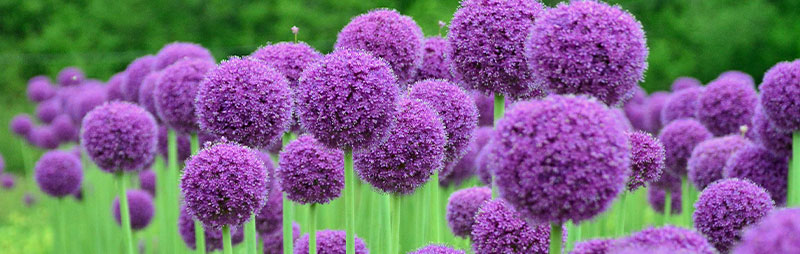
- Basil: Basil is a companion plant that attracts pollinators, which can help to improve the pollination of currants.
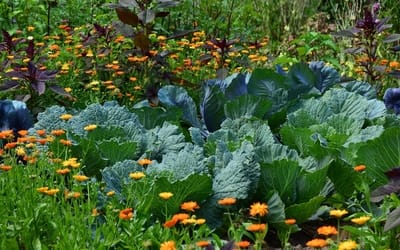
- Borage: Borage is a companion plant that helps to attract beneficial insects, which can help to control pests.

- Cucumber: Cucumbers are a companion plant that helps to suppress weeds.
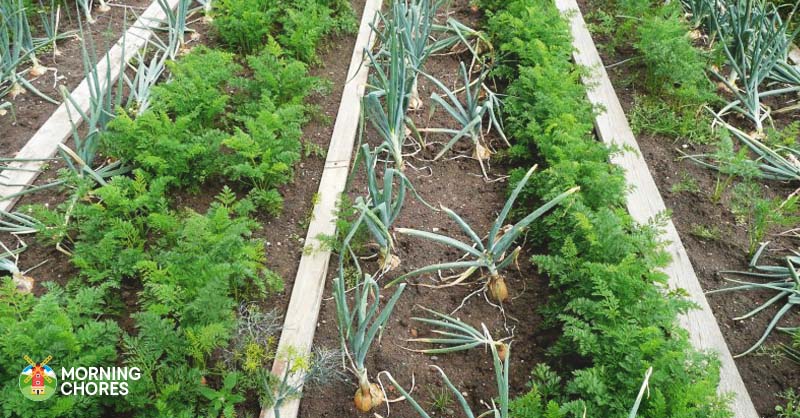
- Dill: Dill is a companion plant that helps to repel pests and attract pollinators.
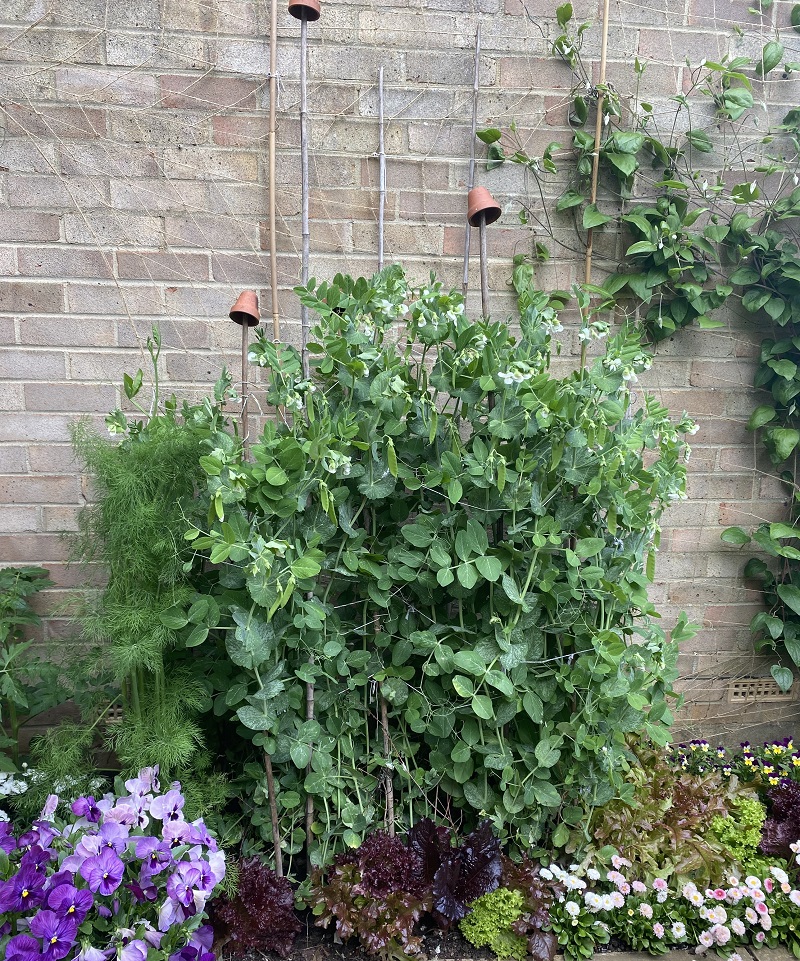
- Hyssop: Hyssop is a companion plant that helps to repel pests and attract pollinators.
- Lavender: Lavender is a companion plant that helps to repel pests and attract pollinators.

- Marigolds: Marigolds are a companion plant that helps to repel pests and attract pollinators.
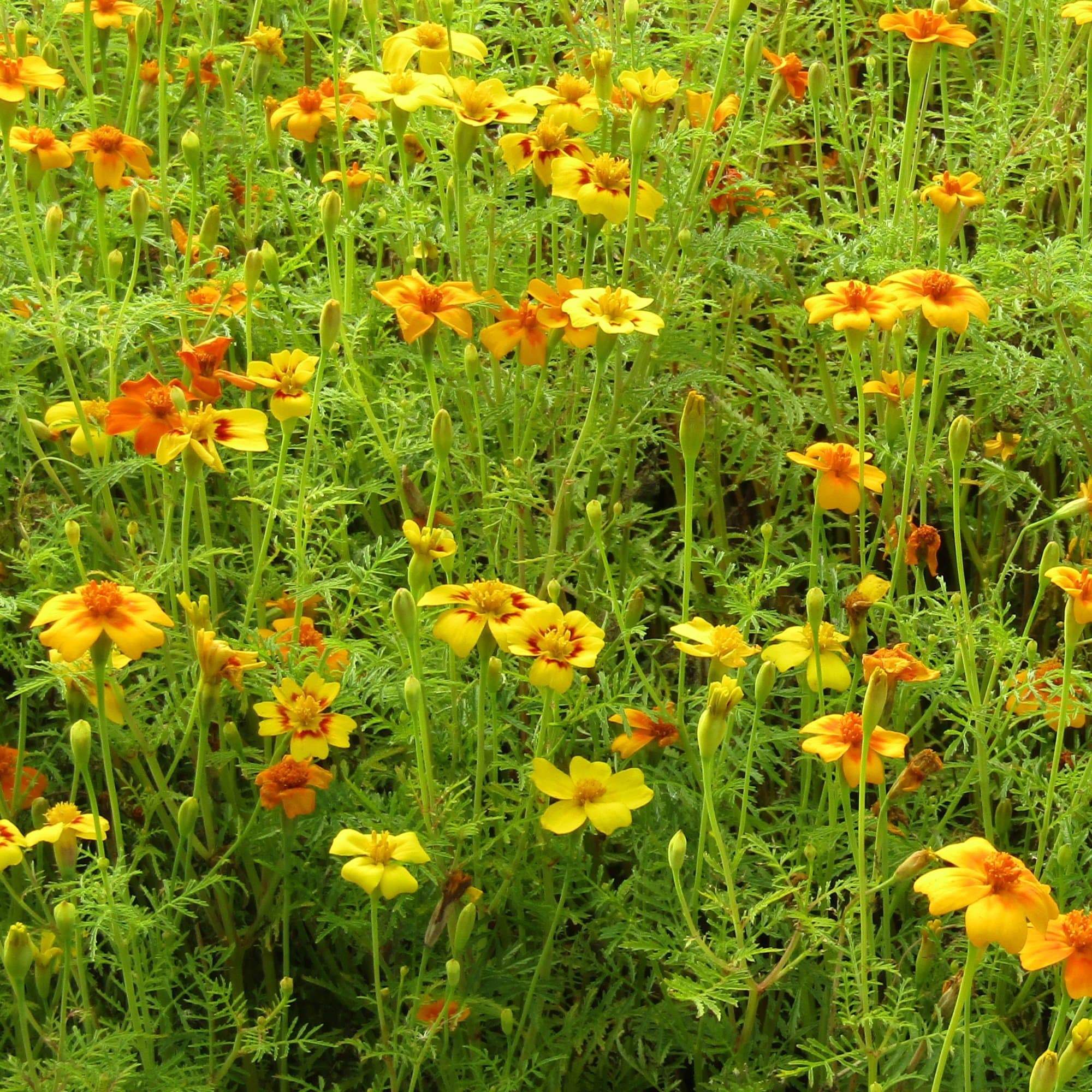
- Pot marigolds: Pot marigolds are a companion plant that helps to repel pests and attract pollinators.
Post a Comment for "The Best Currant Companion Plants For A Healthy Productive Garden"